

Hey there! As a supplier of SLS 3D Printing Metal, I've gotten tons of questions about how powder recycling works in this process. So, I thought I'd share some insights based on my experience in the industry.
What is SLS 3D Printing Metal?
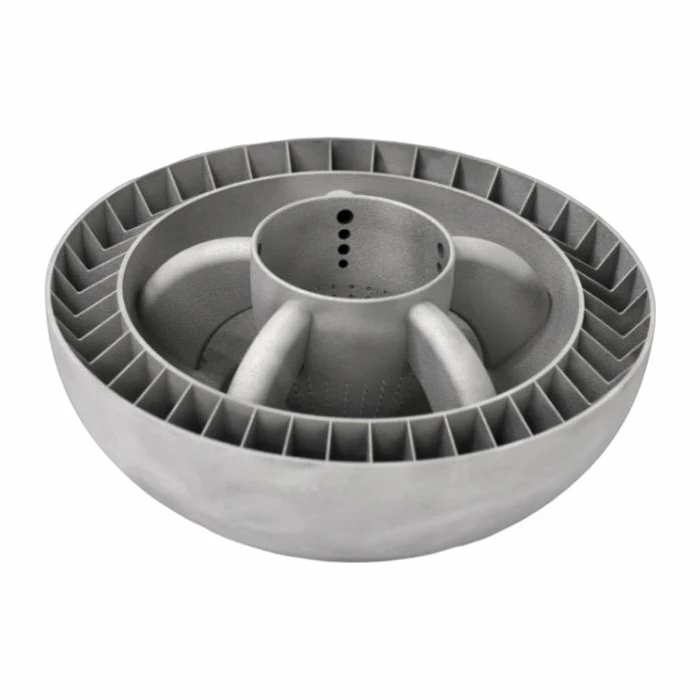
First off, let's quickly go over what SLS 3D printing metal is. Selective Laser Sintering (SLS) is a 3D printing technology that uses a high - power laser to fuse small particles of metal powder together. It's a super cool process that allows us to create complex and strong metal parts. We can make all sorts of stuff, from SLM Aluminum Alloy 3D Printing components to Inconel 3D Printed Parts and SLM Titanium Alloy Parts.

Why Powder Recycling is Important
Now, you might be wondering why powder recycling even matters. Well, metal powders used in SLS 3D printing can be pretty expensive. Recycling the powder helps to cut down on costs significantly. It also reduces waste, which is great for the environment. In our business, every little bit of powder that we can reuse means more savings for our customers and a smaller environmental footprint for us.
The Powder Recycling Process
1. Powder Collection
The first step in the powder recycling process is collecting the unused powder after a print job. In an SLS 3D printer, not all of the powder gets sintered by the laser. The unsintered powder remains around the printed part. Once the print is finished and the build chamber has cooled down, we carefully remove the part and collect the surrounding powder. This powder is usually a mix of fresh powder and some partially sintered clumps.
2. Sieving
After collection, the powder goes through a sieving process. Sieving is like using a really fine - mesh strainer. We use specialized sieves with very small openings to separate the good powder from any clumps or debris. The clumps are formed during the printing process when some powder particles start to stick together. These clumps can't be used directly in the next print job because they can cause uneven sintering and affect the quality of the printed parts. By sieving, we ensure that only the fine, individual powder particles make it through to the next stage.
3. Inspection
Once sieved, the powder undergoes a thorough inspection. We use a variety of techniques to check the powder's quality. One common method is particle size analysis. We want to make sure that the powder particles are within the right size range. If the particles are too big or too small, it can impact the printing process. We also check for any signs of contamination, like foreign materials that might have gotten into the powder during collection or sieving.
4. Blending
If the recycled powder passes the inspection, it's time for blending. We mix the recycled powder with fresh powder in a specific ratio. The ratio depends on the type of metal and the requirements of the next print job. Blending helps to ensure a consistent powder quality throughout the printing process. The fresh powder adds new, high - quality particles to the mix, while the recycled powder helps to keep costs down. This combination creates a powder blend that is both cost - effective and suitable for producing high - quality parts.
5. Reuse in Printing
Finally, the blended powder is ready to be used in the next print job. It gets loaded back into the SLS 3D printer, and the process starts all over again.
Challenges in Powder Recycling
Of course, powder recycling isn't without its challenges. One big issue is the degradation of the powder over multiple recycling cycles. Each time the powder goes through the printing process, its properties can change slightly. For example, the surface of the powder particles might get oxidized, which can affect how they sinter. This means that we have to be really careful with the inspection process to make sure that the recycled powder is still suitable for printing.
Another challenge is contamination. Even with careful handling, there's always a risk of contamination. For instance, if the sieving equipment isn't cleaned properly between different powder types, it can introduce foreign particles into the powder. Contaminated powder can lead to poor - quality parts or even damage the printer.
Maintaining Quality in Recycling
To overcome these challenges and maintain the quality of the recycled powder, we follow strict quality control procedures. We keep detailed records of each batch of recycled powder, including the number of recycling cycles, the blending ratio, and the inspection results. This helps us to track the performance of the powder over time and make adjustments as needed.
We also invest in high - quality equipment for powder collection, sieving, and inspection. Our sieving machines are designed to be very effective at separating the good powder from the clumps, and our inspection tools are state - of - the - art.
Benefits of Our Powder Recycling Process
By having a well - established powder recycling process, we can offer our customers some great benefits. Firstly, our parts are more cost - effective because we're able to reuse a significant amount of powder. This means that you can get high - quality SLM Aluminum Alloy 3D Printing, Inconel 3D Printed Parts, and SLM Titanium Alloy Parts at a lower price compared to other suppliers.
Secondly, our commitment to powder recycling shows our dedication to sustainability. We're doing our part to reduce waste and make the 3D printing industry more environmentally friendly.
Contact Us for Your 3D Printing Needs
If you're in the market for high - quality SLS 3D printed metal parts, whether it's aluminum alloy, Inconel, or titanium alloy, we're here to help. Our powder recycling process ensures that you get top - notch parts at a great price. Don't hesitate to reach out to us to discuss your project requirements. We're always happy to work with you to find the best solutions for your 3D printing needs.
References
- Gibson, I., Rosen, D. W., & Stucker, B. (2010). Additive Manufacturing Technologies: Rapid Prototyping to Direct Digital Manufacturing. Springer.
- Kruth, J. P., Leu, M. C., & Nakagawa, T. (2007). Progress in additive manufacturing and rapid prototyping. CIRP Annals - Manufacturing Technology, 56(2), 525 - 546.
- Yadroitsev, I., Bertrand, P., & Smurov, I. (2007). Influence of the powder layer thickness on the process of direct laser sintering of metal powder. Journal of Materials Processing Technology, 190(1 - 3), 15 - 20.


